

Viscose scarves
Viscose scarf – how to choose and style it
Viscose scarves at UniqueYou – quick overview
Viscose is a semi-synthetic fabric made from regenerated wood pulp or bamboo cellulose, prized for its softness and affordability - and it happens to make exceptional scarves. This category gathers both pure viscose and viscose-blend scarves available at UniqueYou, designed for anyone looking for a lightweight, comfortable accessory for everyday wear, work or special occasions. Among the products you'll find long rectangular shawls (around 180 × 70 cm), square foulards (around 90 × 90 cm) and smaller gavroches, in compositions ranging from pure viscose to blends with cotton or wool - each offering a different balance of drape, warmth and feel.
Types of viscose scarf
Different formats and fabric weights suit different situations. Below is how the range breaks down so you can quickly sort through what matches your wardrobe and lifestyle.
Long rectangular viscose shawls
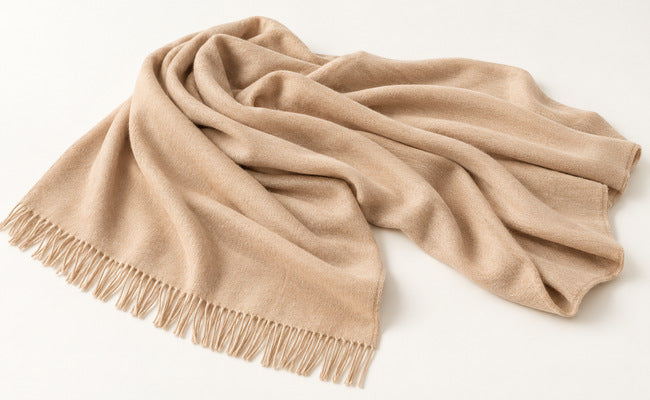
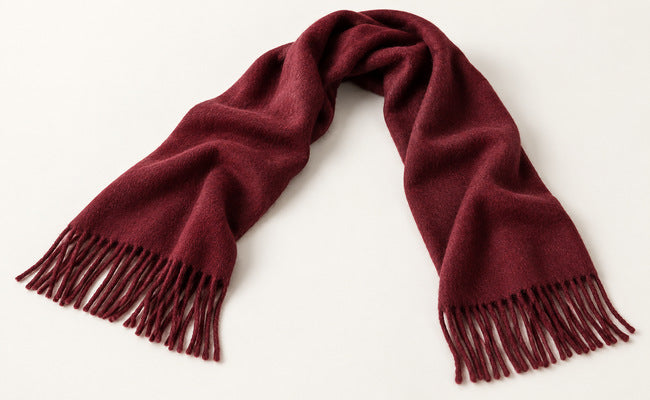
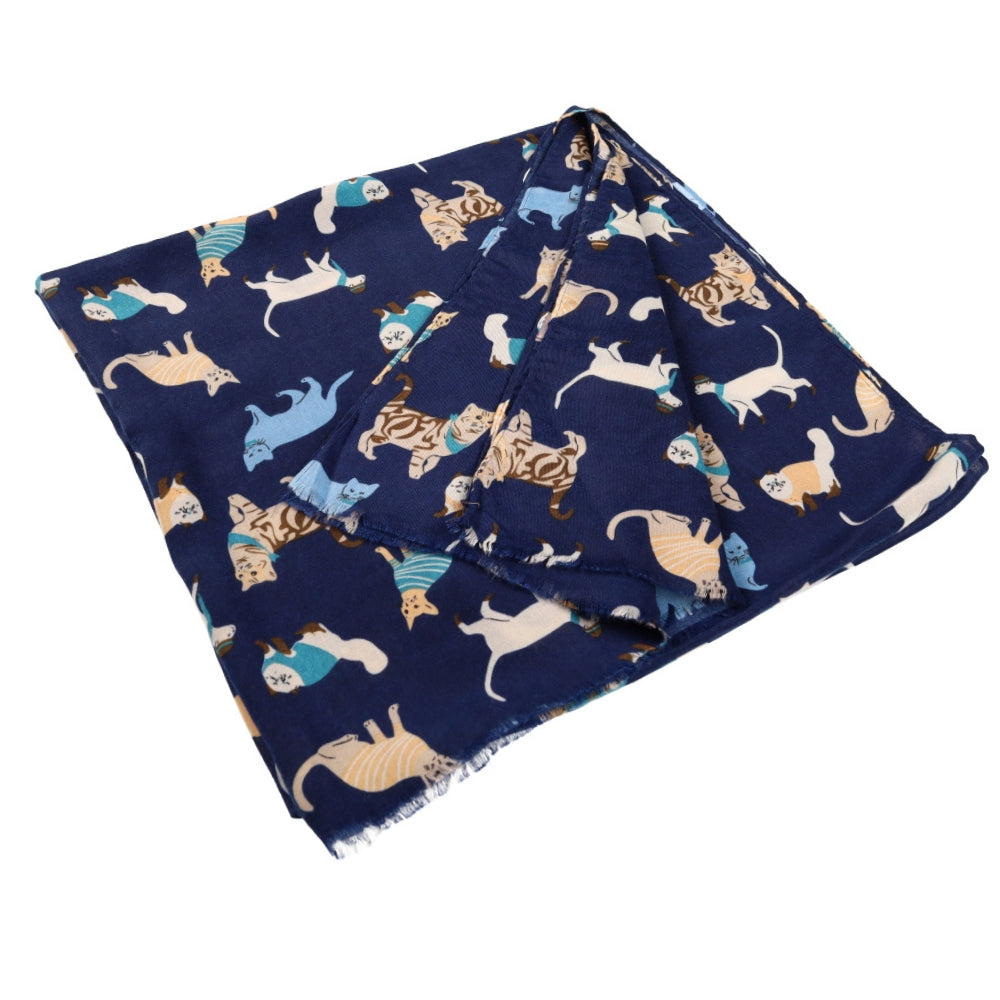
These are oblong scarves with dimensions close to 180 × 70 cm - enough fabric to wrap several times around the neck or drape loosely over the shoulders. Viscose scarves are available in various sizes like 180 × 70 cm, and this particular format works well with coats, trenches, jackets and as a lightweight shoulder cover over a dress. Because viscose drapes beautifully, enhancing scarf styles, a long rectangular shawl falls in soft, fluid folds rather than sitting stiffly. Many viscose scarves are lightweight and flowy, so they layer without adding bulk around the neck - ideal for transitional weather when you want coverage without a heavy knit.
Square viscose scarves and foulards
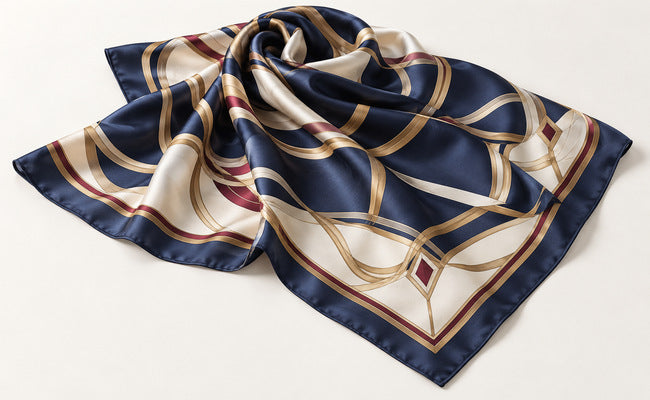
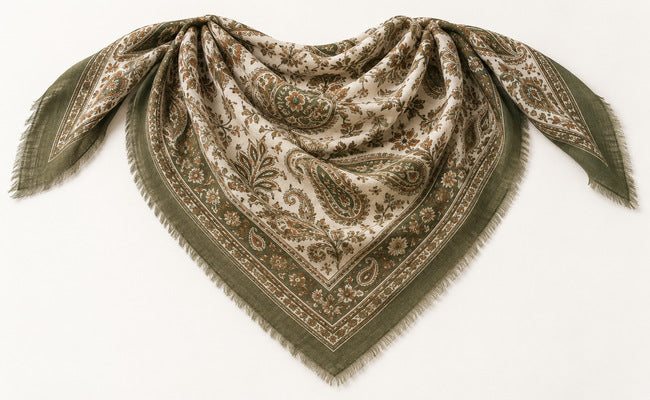
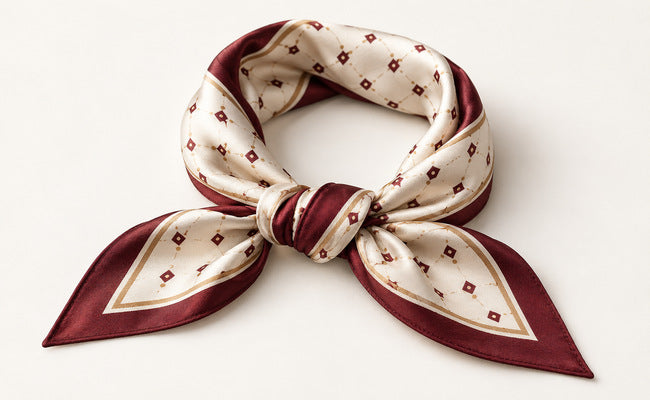
Square scarves - typically around 90 × 90 cm - fold on the diagonal into a classic triangle that frames the face and neckline. They pair naturally with shirts, blazers, simple dresses and plain tops where a colour or pattern accent is welcome. Viscose absorbs dyes exceptionally well, resulting in vibrant colors and patterns, so these squares often become the focal point of an outfit. Viscose scarves can be used as wraps or shawls too: a larger square draped over the shoulders works as an elegant evening layer.
Small viscose gavroches and neckerchiefs
Smaller scarves (around 50 × 50 cm) serve as a styling detail rather than outerwear. Tie one at the shirt collar, tuck it into a V-neckline, knot it around the wrist or attach it to a handbag strap for a pop of colour. Because the amount of fabric is minimal, gavroches don't cover shoulders - they exist to sharpen a look. Viscose can be styled in multiple ways depending on the occasion, making it versatile for different outfits, and these petite formats are perhaps the best proof of that versatility. Viscose scarves can also be personalized and vintage, and a small neckerchief in a retro print is one of the easiest ways to introduce that character.
Viscose blend winter scarves
When viscose is blended with wool, acrylic or other insulating fibres, the result is a scarf that keeps the pleasant softness of viscose while offering more warmth for autumn and cooler winter days. These wraps sit well over heavier coats and thicker jackets. The level of insulation depends directly on the fibre proportions and weave density, so it's worth checking the exact composition listed on each product before buying - a 50/50 viscose-wool blend will behave quite differently from a scarf with only 10% wool.
What to look for in a viscose scarf
The word "viscose" on a label doesn't tell the whole story. Dimensions, weave, weight and pattern all shape how a scarf performs and looks once it's around your neck.
Composition and feel of the fabric
Pure viscose is soft and comfortable against the skin, with a smooth finish and a gentle lustre. Viscose has a fluid drape and a subtle sheen, similar to that of natural silk, which is why it's often compared to silk - yet viscose is generally considered an affordable alternative to silk, allowing for a wider collection of accessories without the higher price tag. Blending viscose with cotton adds durability; blending with wool adds warmth; blending with polyester improves wet resilience. Each combination shifts the hand-feel slightly, so always check the product card for the full composition.
Size and shape
How you plan to wear the scarf determines the dimensions you need. A longer rectangle (around 180 × 70 cm) lets you loop the fabric several times around the neck or spread it wide across the shoulders. A square (around 90 × 90 cm) folds into a defined triangle - neat under a collar or over a blazer. Smaller formats (around 50 × 50 cm) are best for tight knots at the throat or as accent pieces. If you already own a favourite scarf, compare its measurements with the ones listed in the products to gauge what will feel familiar.
Prints, colors and borders
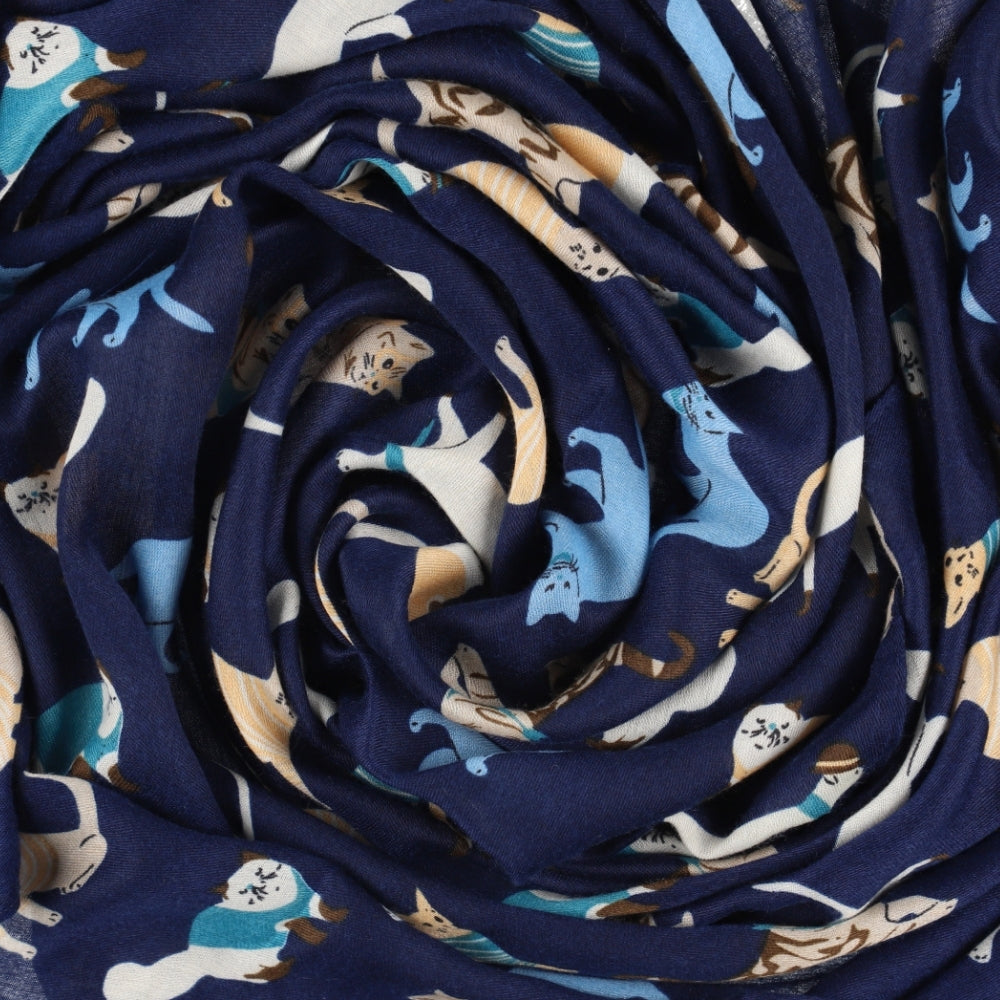
Some viscose scarves feature floral patterns and vibrant colors; others come in solid hues or geometric prints. Because viscose absorbs dyes exceptionally well, colours tend to look rich and saturated rather than washed-out. Keep in mind that a contrasting border or corner motif will look different once the scarf is folded or knotted - only part of the design remains visible. A practical rule: match one colour from the scarf's print to something you're already wearing, and let the remaining shades add interest.
Season and thickness
Viscose has excellent breathability for warm weather, and a thin, smoothly woven viscose scarf works comfortably from spring through summer and indoors year-round. Viscose can provide a cool feel against the skin, making it suitable for transitional weather. For autumn and mild winter, look for heavier weaves or blends that include wool or similar fibres - the fabric weight (expressed in GSM) rises, which translates to more insulation and wind resistance but slightly less breathability.
How to choose the right viscose scarf
Narrowing the selection comes down to a few straightforward criteria: what you'll wear it with, when you'll wear it, and what visual effect you're after.
Key decision criteria
Planned use (coat, blouse, dress, everyday outfits) - Longer shawls suit coats and outerwear where you need enough fabric to wrap or drape. Smaller scarves and gavroches work better with shirts, blazers and lighter tops where a subtle accent is enough. Viscose scarves are suitable for light layering without adding bulk around the neck, so even a longer piece can tuck neatly under a jacket lapel.
Season and warmth - For warmer months, choose thin pure viscose - it breathes well and feels cool. For cooler seasons, pick viscose blends with a denser weave. Pure viscose alone doesn't insulate the way wool does, so in genuinely cold weather a blend with insulating fibres will serve you better.
Preferred style and colour effect - A solid-colour scarf acts as a quiet backdrop; a patterned one becomes the outfit's main accent. Viscose provides a luxurious look at a fraction of the price of silk, so you can afford to own both options. When comparing viscose with cotton, viscose offers a sleeker and shinier appearance while cotton is more durable - consider which finish better matches your personal style.
Size you feel comfortable with - Think about how much fabric you like around your neck. If you prefer a generous drape and multiple loops, aim for the larger formats. If you like a clean, minimal knot, a smaller square or slim rectangle will feel more natural.
Frequently Asked Questions
Below you'll find answers to the questions that come up most often when choosing a viscose scarf.
Is a viscose scarf breathable enough for summer?
Yes. Viscose is a cellulose-based fibre with good moisture absorption, and in thinner, smoother weaves it's quite breathable - comparable to lightweight cotton. Summer gavroches and light shawls in pure viscose work well with shirts, tops and dresses. Thicker viscose blends, however, are better suited to cooler days.
Can I wear a viscose scarf in winter, or do I need wool?
Pure viscose offers a pleasant layer, but it won't replace a heavy wool scarf in very low temperatures. For winter, look for viscose blends that include wool or other insulating fibres - they combine the softness of viscose with better heat retention. Always check the composition on the product page to see how much insulating fibre is in the mix.
How do I care for a viscose scarf so it keeps its shape?
Viscose is less durable when wet and can be prone to stretching or distortion if not handled gently. Follow the care label: most viscose scarves do best with a gentle hand wash or a delicate machine cycle, no wringing, and flat drying or careful reshaping on a hanger. Viscose tends to wrinkle easily and may require special care in washing and drying, so a light steam or low-heat iron can help smooth creases. Some pieces may need dry cleaning - always defer to the instructions on the specific product.
Which viscose scarf works best with a classic coat?
A longer rectangular shawl (around 180 × 70 cm) in viscose or a viscose blend pairs well with a classic beige, navy or black coat. For a calm, tonal look, choose a solid scarf in a shade close to the coat. For a statement, pick a patterned or brightly coloured piece so the scarf draws the eye - viscose's rich dye uptake makes bold prints especially vivid against a neutral coat.
Are viscose scarves suitable as a gift if I don't know the size?
Absolutely. A scarf has no garment sizing, which makes it one of the safest fashion gifts. Opt for a versatile format - a rectangle around 180 × 70 cm or a square around 90 × 90 cm - and choose colours you've seen the recipient wear regularly. Viscose is biodegradable, making it eco-friendly, which can be an added consideration for environmentally minded gift-givers. Because viscose is popular for fashion accessories like scarves due to its softness and affordability, the gift feels luxurious without an outsized budget.
Browse viscose scarves at UniqueYou
Choosing the right viscose scarf is mostly about matching material, size and colour to the clothes already in your wardrobe. Take a moment to compare a few products in the category - check compositions, dimensions and prints - and pick the one that fits your coat, blouse or dress best. Stay tuned to our news for new arrivals and seasonal additions to the collection.
FINEST MATERIALS
Softness, comfort and attention to detail.
Express Delivery
Within 24 hours by courier to your home or a pickup point.
EASY RETURNS
Shop with confidence, with the option to return.
SECURE PAYMENTS
Choose your preferred payment method.